
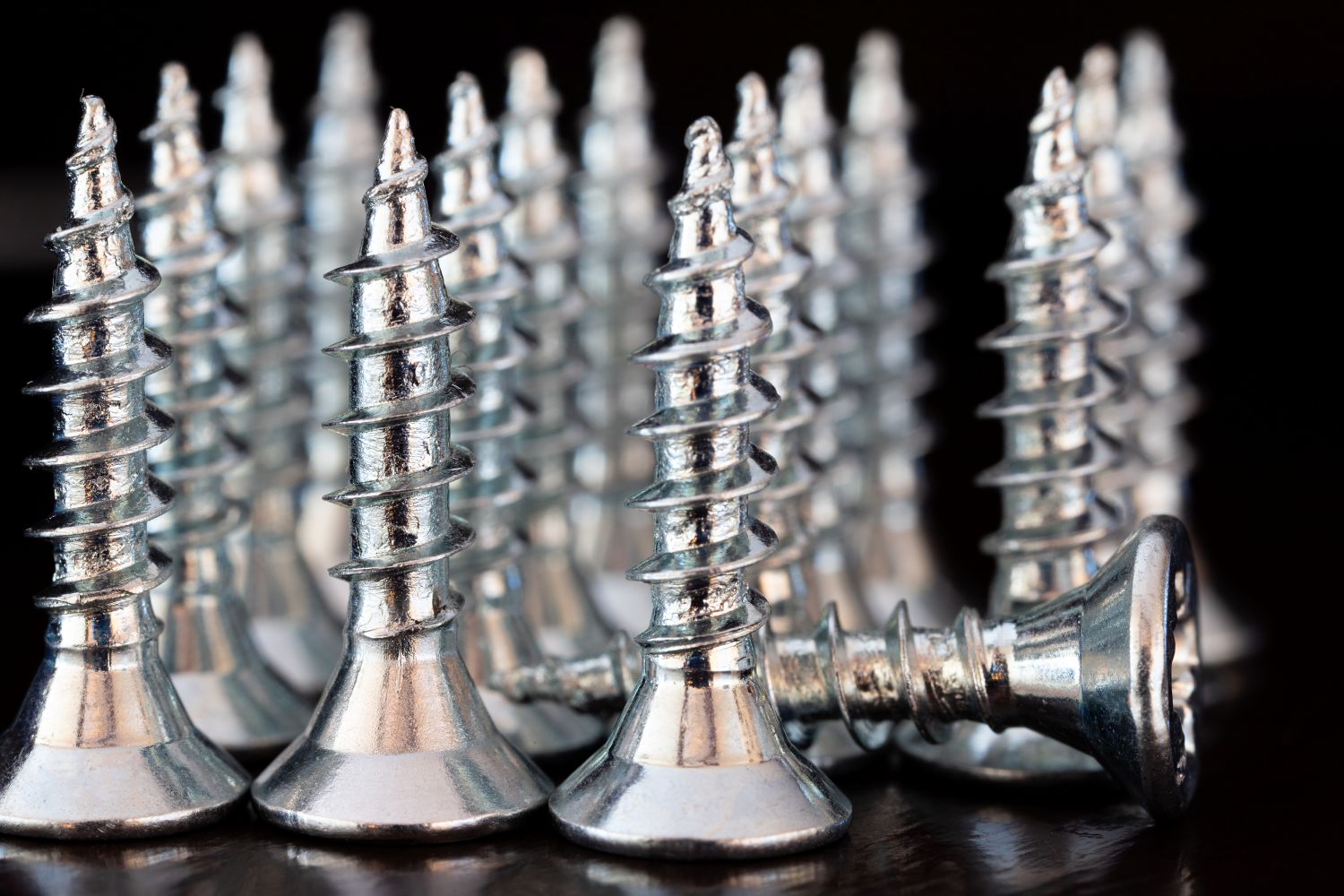
Installing stainless steel stud heads represents a straightforward yet rewarding do-it-yourself project that enhances both the functionality and aesthetics of any space. This guide provides comprehensive information, including an understanding of stainless steel stud heads, their common applications, and a thorough list of essential tools and materials required for installation. With a detailed step-by-step guide and useful tips for circumventing common pitfalls, individuals will be well-prepared to undertake this home improvement task with confidence.
What They Are and Their Common Uses
Stainless steel stud heads are critical fasteners extensively utilised in construction and architectural design, renowned for their exceptional durability and resistance to corrosion. They provide vital structural integrity for a wide range of applications, from load-bearing walls to complex fabrication projects.
Their versatility enables them to address both industrial requirements and residential improvement needs, ensuring optimal performance across various environments.
These fasteners are especially preferred in applications subject to moisture or harsh chemical exposure, such as in coastal areas or food processing facilities. Architects frequently incorporate stainless steel stud heads into innovative designs, leveraging their capacity to endure extreme weather conditions while enhancing the aesthetic appeal of structures.
Their contribution to techniques such as panelisation and modular building significantly improves construction efficiency by facilitating quicker assembly and ensuring reliable connections. The use of stainless steel stud heads not only guarantees longevity and safety but also promotes sustainable building practices by reducing maintenance and replacement requirements.
Tools and Materials Needed for Installation
The successful installation of stainless steel stud heads necessitates a variety of tools and materials to ensure the process is efficient and compliant with industry standards.
Essential equipment includes fastening tools such as:
- Impact wrenches
- Drilling machines
- Hydraulic tools
Along with safety equipment to safeguard the worker throughout the installation process. The careful selection of appropriate materials, including nuts, bolts, and protective coatings, is critical for achieving a secure and durable installation.
Essential Tools and Safety Equipment
Essential tools and safety equipment are critical components in the installation of stainless steel stud heads, ensuring both accuracy and the safety of workers.
A comprehensive toolkit should include items such as measuring tapes and levels to ensure precise positioning, while screwdrivers and pliers are essential for adjusting and securing components.
Additionally, the use of eye protection and steel-toed boots significantly enhances workplace safety by minimising the risks of injury from falling objects or sharp edges.
Furthermore, mastery of the recommended technical skills, including an understanding of fastening techniques and material properties, is essential for individuals undertaking this task. Such knowledge facilitates the proper handling of equipment and fosters a heightened awareness of potential challenges that may arise during installation.
This combination of appropriate tools, safety measures, and technical expertise establishes a solid foundation for achieving a successful installation outcome.
Step-by-Step Guide to Installing Stainless Steel Stud Heads
The installation process of stainless steel stud heads can be effectively managed through a detailed step-by-step guide that delineates specific procedures and techniques necessary for achieving optimal results.
This comprehensive guide will address critical components such as surface preparation, precise measurement, and alignment, ensuring that each stud head delivers maximum support and load-bearing capacity.
Adhering to best practices throughout the installation process will not only enhance performance but also preserve the structural integrity of the project.
Preparation and Marking the Installation Area
Preparation and marking of the installation area represent a critical first step in ensuring the accurate and effective installation of stainless steel stud heads. This process requires careful measurement and alignment to ensure that each stud is positioned correctly, which is essential for optimal load distribution and structural integrity.
Proper surface treatment is also necessary to enhance bonding and performance during the installation process.
To achieve these objectives, it is imperative to commence with precise measurement techniques, such as employing a laser level or chalk line to delineate stud positions. Verifying alignment with a plumb line is crucial to prevent potential structural issues in the future.
Additionally, meticulous attention must be paid to surface treatment; cleaning the installation area of any contaminants and applying an appropriate primer can significantly improve adhesion.
Adhering to these comprehensive guidelines will not only optimise the installation process but also ensure the long-term durability and reliability of the structure, ultimately conserving time and resources.
Drilling and Securing the Stud Heads
The drilling and securing of stainless steel stud heads represents a critical phase in the installation process that demands precision and adherence to established best practices. The application of appropriate drilling techniques and fastening methods is essential to ensure that each stud head is securely anchored, thereby contributing to the overall structural integrity and performance of the project. Implementing quality control measures during this phase is necessary to confirm that all specifications are satisfactorily met.
To achieve optimal results, it is imperative to select the appropriate type of drill and bit. For stainless steel, cobalt or titanium-coated drill bits are recommended due to their durability and capacity to withstand the elevated temperatures generated during the drilling process. Employing techniques such as applying moderate pressure and maintaining a steady, consistent drilling speed can mitigate the risks of overheating and bit wear.
After drilling, it is crucial to ensure that the stud heads are fastened securely. The application of lock washers or thread locking compounds can significantly enhance grip and stability. A meticulous inspection following installation not only confirms proper fastening but also plays a vital role in ensuring the longevity and reliability of the installation.
Tips for a Successful Installation
To ensure a successful installation of stainless steel stud heads, it is crucial to adhere to specific guidelines and best practices that enhance both efficiency and effectiveness throughout the project lifecycle.
Effective project management, encompassing resource allocation and team collaboration, plays a significant role in influencing the installation’s outcome.
Furthermore, familiarity with common troubleshooting techniques can facilitate the resolution of potential issues before they escalate, thereby ensuring a smooth progression from initiation to completion.
Common Mistakes to Avoid
Identifying and avoiding common mistakes during the installation of stainless steel stud heads is essential for maintaining performance and ensuring quality control. Errors such as improper measurement, inadequate surface preparation, and the neglect of safety equipment can result in structural deficiencies and expensive repairs.
By being aware of these pitfalls, installers can implement corrective actions and best practices that enhance the overall integrity of their projects.
Attention to detail throughout each phase of installation can significantly reduce the risk of such errors. It is imperative that installation guidelines are thoroughly understood and adhered to, as even minor deviations can compromise the durability of the assembly.
Regular inspections and audits during the installation process can assist teams in identifying potential issues before they escalate. Fostering a culture of quality control not only ensures the longevity of the stainless steel stud heads but also instills confidence in the final product, ultimately contributing to greater customer satisfaction.